Find the Best Deals on Used Cars: The Ultimate Guide

Let’s be honest: the thought of negotiating a car price can be a little intimidating. But what if you could walk into the conversation feeling completely prepared and confident? The secret to getting the best deals on used cars isn't about being a tough negotiator; it's about being an informed buyer. When you’ve done your research, set a clear budget, and know the car’s real value, the discussion becomes much simpler. This guide will give you the tools you need to shop smarter, not harder. We’ll show you how to assess a vehicle’s condition, understand financing, and find a fair price without the stress.
Key Takeaways
- Know the Car's Value and Your Budget Before You Shop: Research the market value of models you like and get pre-approved for financing. This sets a realistic budget and gives you the data you need to recognize a fair price and negotiate confidently.
- An In-Person Inspection is Non-Negotiable: A car's true condition can only be confirmed firsthand. A comprehensive test drive and a professional pre-purchase inspection are your best tools for verifying a vehicle's health and avoiding future problems.
- Secure Your Investment Beyond the Sale: A smart purchase includes planning for the future. Calculate the total cost of ownership, including insurance and maintenance, and explore warranty options or protection plans to cover unexpected repairs.
Where to Find Great Used Car Deals
Finding the perfect used car deal can feel like a treasure hunt. You know there are great options out there, but where do you even begin to look? The good news is you have more choices than ever, from sprawling online websites to trusted local lots right here in Fredericksburg. The key is knowing the pros and cons of each so you can find the right car at the right price, without the headache.
Your search will likely lead you down two main paths: online marketplaces and local dealerships. Each offers a completely different shopping experience. You might also consider buying directly from a private seller, which comes with its own set of rules. Understanding how to use price comparison tools will be your secret weapon, no matter which route you take. Let’s break down where to look and what to expect, so you can feel confident and prepared as you start your search for your next vehicle.
Online Marketplaces vs. Local Dealerships
Online marketplaces like Edmunds or Autotrader put millions of cars at your fingertips. You can filter by make, model, price, and features, comparing options from all over the country right from your couch. While the sheer volume is a huge plus, it can also be overwhelming. You’re often dealing with sellers you’ve never met, and you can’t just pop over to test drive a car that’s three states away.
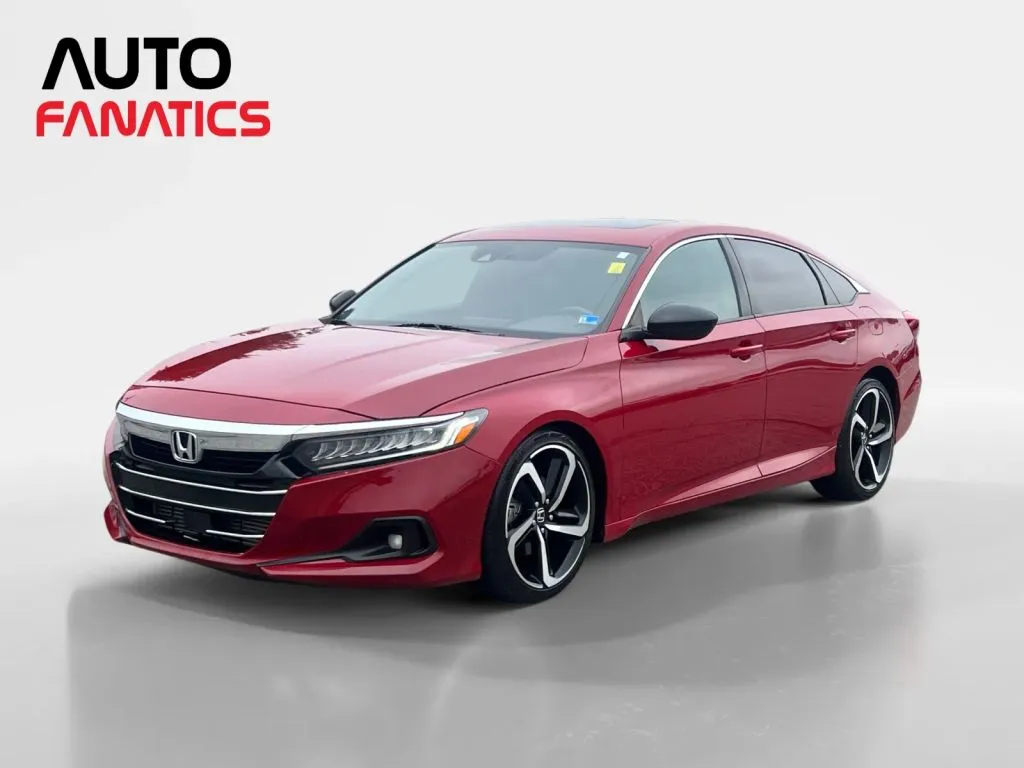
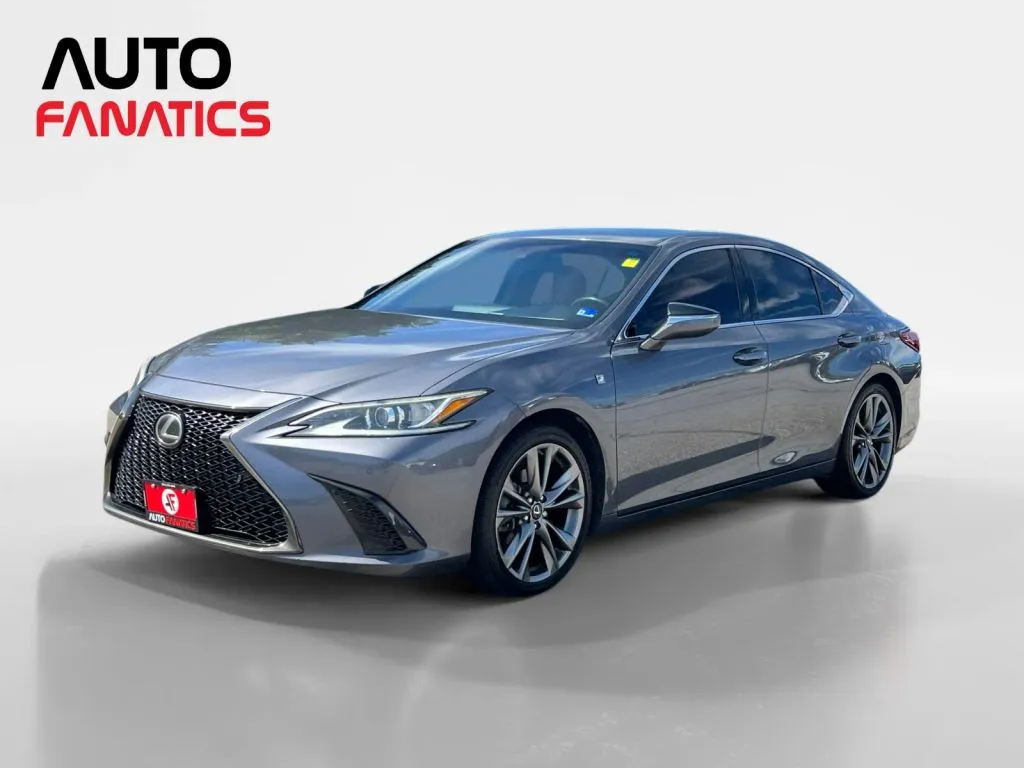
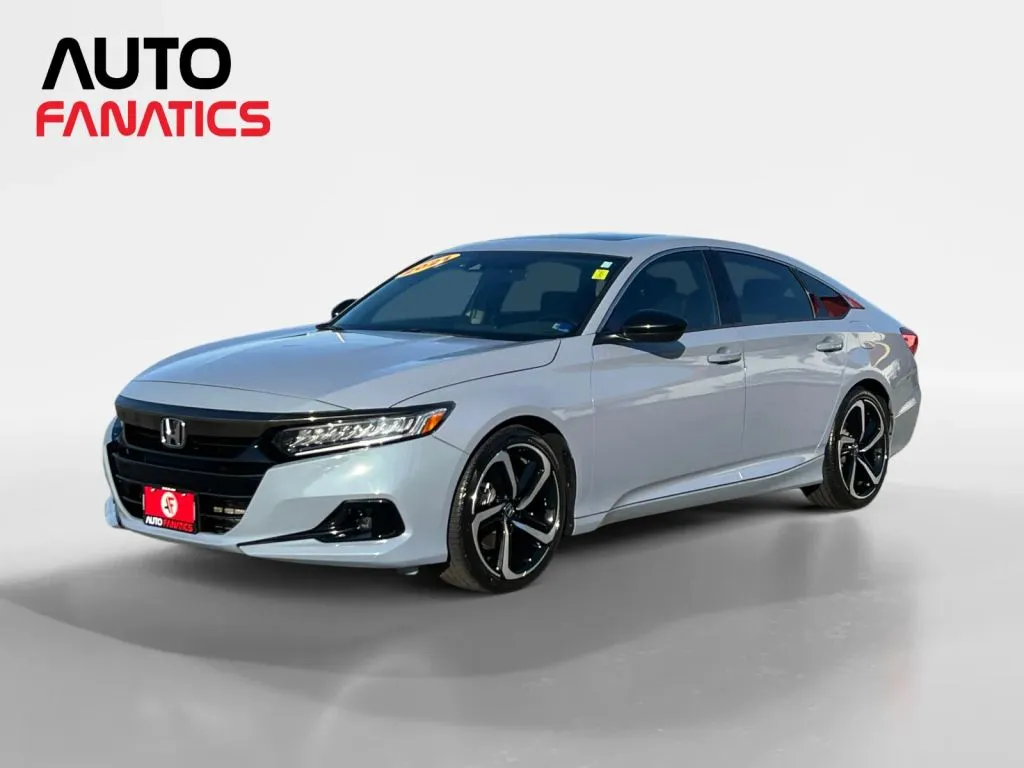
On the other hand, a local dealership offers a curated and hands-on experience. At a place like Auto Fanatics, every truck, SUV, and car has already been inspected and vetted. You get to build a relationship with the team, ask questions face-to-face, and take multiple vehicles for a spin. This approach provides a level of trust and accountability that’s hard to find online.
Shopping with Private Sellers
You can often find lower prices when you buy directly from a private seller. Since they don’t have the overhead costs of a dealership, they may have more flexibility on the final price. This path requires you to be more hands-on, as you’ll be responsible for everything from verifying the vehicle’s history to handling all the title and registration paperwork yourself.
The biggest trade-off is the lack of protection. A private sale is typically "as-is," meaning you have no warranty or recourse if something goes wrong after you drive away. You’ll definitely want to get a professional inspection before you commit, which is an extra step and cost to factor into your budget. It’s a great option if you’re a savvy buyer who knows what to look for.
Using Price Comparison Tools
Regardless of where you shop, knowledge is power. Price comparison tools are essential for making sure you’re getting a fair deal. Websites like Kelley Blue Book (KBB) and Edmunds offer tools that analyze current market data to estimate a car’s value based on its make, model, age, mileage, and condition.
Before you even start negotiating, look up the value of the cars you’re interested in. This gives you a realistic baseline and helps you spot a great deal when you see one. You can also use an online car loan calculator to estimate your monthly payments. Walking into a conversation armed with this data shows you’ve done your homework and puts you in a much stronger position to agree on a price you feel great about.
Do Your Homework Before You Shop
Walking onto a car lot without a plan can feel overwhelming. The best way to feel confident and in control of your car-buying experience is to do a little research before you even start looking at vehicles. Taking the time to prepare helps you identify the right car for your needs and budget, spot a great deal, and enter any negotiation with the knowledge you need to succeed. Think of it as creating your own personal game plan. When you know what you’re looking for and what to expect, you can focus on the fun part: finding a car you truly love. These simple steps will set you up for a smooth, stress-free process from start to finish, ensuring you drive away happy.
Check the Vehicle History Report
Before you get attached to any used car, you need to know its story. A vehicle history report is like the car’s official resume, giving you the rundown on its past. This report reveals crucial information, including previous accidents, title issues (like salvage or flood damage), service records, and the number of past owners. You can get one from services like Carfax or AutoCheck using the car’s Vehicle Identification Number (VIN). A clean report is a great start, but it’s also smart to have a trusted mechanic perform a pre-purchase inspection. At Auto Fanatics, we believe in full transparency, which is why we ensure our entire inventory is meticulously inspected before it ever hits the lot.
Assess the Car's Market Value
How do you know if a price is fair? By understanding the car’s current market value. This isn’t just the sticker price; it’s what similar vehicles are actually selling for in the Fredericksburg area. Use online tools to check the average price for the specific make, model, year, and trim level you’re interested in. Factoring in mileage and overall condition will give you a realistic price range. This knowledge is your best tool for recognizing a great deal and negotiating effectively. When you browse different models, like our selection of quality used trucks, you can compare our pricing with your research to see the value we offer.
Know the Best Time of Year to Buy
While you can find a great deal any time of year, timing your purchase can sometimes lead to extra savings. The period from October through December is often considered a sweet spot for buying a used car. During these months, demand can dip, and many dealerships are looking to clear out their existing inventory to make room for the new year. This can create more opportunities for lower prices and better deals. Of course, your personal timeline is what matters most, but if you have the flexibility, shopping during the fall and early winter might just save you some money.
Set a Budget You Can Stick To
Before you start shopping, you need to know exactly how much you can comfortably spend. This goes beyond the sticker price—you should also account for taxes, fees, insurance, and potential maintenance costs. A great first step is to use a car loan calculator to estimate your monthly payments. Even better, get pre-approved for a loan before you visit a dealership. This shows you what you can afford and gives you a firm budget to work with. Knowing your numbers ahead of time prevents you from overspending and keeps the focus on vehicles within your price range. When you're ready, you can easily get approved through our secure online application.
Shop Smarter, Not Harder
Once you’ve narrowed down your options online, it’s time for the most important part of the process: seeing the car in person. This is where you move from research to reality, and being prepared can make all the difference. A car might look perfect in photos, but an in-person evaluation is the only way to be sure it’s the right fit for you. Taking these next steps seriously will help you confirm the quality of the vehicle and drive away with confidence, knowing you made a smart, informed decision.
Get a Professional Inspection
Think of a professional inspection as your secret weapon. Even if a car looks flawless, a trained mechanic can spot potential issues that aren't visible to the naked eye. Bringing the vehicle to a trusted third-party mechanic for a pre-purchase inspection is one of the smartest investments you can make. For a small fee, they can check the engine, transmission, frame, and other critical components, giving you a complete picture of the car's health. A reputable dealership will always be supportive of this step; it shows they’re confident in the quality of their vehicles. This expert opinion provides invaluable peace of mind and can save you from costly surprises down the road.
Your Ultimate Test Drive Checklist
A test drive is more than just a quick spin around the block. To get a true feel for the car, you need to test it in real-world conditions. Create a route that includes city streets, bumpy roads, and a stretch of highway to see how it handles at different speeds. While you’re driving, turn off the radio and listen for any unusual noises from the engine or brakes. Does it accelerate smoothly? Does it pull to one side? Don’t forget to test every button, switch, and feature inside—from the air conditioning to the power windows. This is your chance to make sure everything works as it should and that you feel comfortable behind the wheel of your potential new car from our extensive inventory.
Gather the Right Paperwork
The final steps of buying a car involve some important paperwork, and having everything in order ensures a smooth, legitimate transfer of ownership. The single most important document is the vehicle’s title, which proves who legally owns the car. Make sure the Vehicle Identification Number (VIN) on the title matches the VIN on the car itself. You’ll also need a bill of sale that details the transaction, including the purchase price, date, and information for both the buyer and seller. When you buy from a dealership like Auto Fanatics, we handle all the necessary paperwork for you, ensuring everything is correct and saving you the headache. If you have any questions about the process, our team is always here to help.
CPO vs. Standard Used: What's the Difference?
You might see the term "Certified Pre-Owned" (CPO) during your search. A CPO vehicle has been inspected and refurbished to meet manufacturer standards and typically comes with a factory-backed warranty. This offers an extra layer of assurance but usually comes with a higher price tag. A standard used car, on the other hand, doesn't have that official certification but can offer incredible value. At a trustworthy dealership, every vehicle undergoes a rigorous inspection to ensure it's safe and reliable. You can also get excellent coverage by adding one of our automotive protection plans, giving you CPO-level peace of mind without the CPO price.
What Determines a Used Car's Value?
When you start shopping for a used car, you’ll quickly notice that two seemingly identical models can have wildly different price tags. What gives? A car’s value isn’t just a number pulled out of thin air; it’s a complex puzzle solved by looking at several key factors. Understanding these pieces will help you spot a great deal and feel confident in the price you’re paying. The main things that determine a used car's worth are its age, mileage, overall condition, and even where it's being sold.
Think of it like this: a car is a story, and every mile, every service appointment, and every little ding adds a chapter. A newer car with low mileage might seem like the obvious winner, but what if it was driven hard and rarely maintained? On the other hand, an older car with higher mileage could be a fantastic value if it was meticulously cared for by its previous owner. We’ll break down exactly what to look for in each of these areas so you can read that story and know precisely what a car is worth before you even think about making an offer. This knowledge is your best tool for finding a reliable vehicle that fits your budget.
How Mileage and Age Affect Price
It’s easy to assume that high mileage is a red flag, but the old rules don’t always apply anymore. With modern engineering, seeing a car with over 100,000 miles is common, and it doesn't mean it's near the end of its life. A well-maintained vehicle can run smoothly for 200,000 miles or more. The key is to look at age and mileage together. A five-year-old car with 100,000 miles has seen a lot of highway driving, which is generally less stressful on an engine than stop-and-go city traffic. An older car with very low mileage might seem great, but long periods of sitting can cause its own set of problems. The most important factor is a consistent service history.
How to Assess a Car's Condition
A car’s condition is more than just a shiny coat of paint. To truly understand what you’re buying, you need to look deeper. Always start with a test drive to see how it feels on the road. Does it brake smoothly? Is the steering responsive? Beyond that, getting a vehicle history report from a service like Carfax is a must. It will tell you about past accidents, title issues, and service records. For total peace of mind, you can also have a trusted mechanic perform a pre-purchase inspection. You should also check for any safety recalls to ensure all necessary updates have been made. At Auto Fanatics, we put all our used cars, trucks, and SUVs through a meticulous inspection process so you can shop with confidence.
Why Prices Vary by Location
Have you ever noticed that the price for the same car can change from one city to the next? That’s because supply and demand shift based on location. A convertible might be a hot commodity in a sunny state, while an all-wheel-drive SUV will be more popular—and potentially more expensive—in an area with harsh winters. This is why it’s helpful to focus your search locally. When you shop for a vehicle in the Fredericksburg area, you’re seeing prices that reflect our local market. This saves you from the confusion of comparing a car here to one halfway across the country, ensuring you get a fair price for our community.
The Impact of Depreciation
Here’s one of the best reasons to buy a used car: depreciation. A brand-new car loses a significant chunk of its value the moment you drive it off the lot—sometimes as much as 20% in the first year alone. When you buy a used car, the first owner has already absorbed that massive financial hit. You get to purchase the vehicle after its value has stabilized, which means you’re paying a price that’s much closer to its true worth. This is a huge advantage, as it allows you to get more car for your money and often results in a lower, more manageable monthly payment. You can use a car loan calculator to see how this lower price translates into real savings.
Find the Right Financing for You
Figuring out how to pay for your car is just as important as picking the right one. The financing you choose affects your monthly payment and the total amount you’ll spend over the life of the loan. Don’t worry, you don’t have to be a financial wizard to get a great deal. Understanding your options is the first step toward making a smart decision that fits your budget and lifestyle. Whether you prefer working with your local bank or handling everything at the dealership, there’s a path that’s right for you. Let’s break down the most common ways to finance a used car so you can walk into the dealership feeling prepared and confident.
Loans from Banks and Credit Unions
One of the most traditional routes is to get a loan directly from your bank or a local credit union. The big advantage here is that you’re working with a financial institution you already have a relationship with. You can often sit down with a loan officer, discuss your options, and get pre-approved before you even start shopping. Getting pre-approved for a loan helps you establish a firm budget and gives you a clear idea of the interest rate you qualify for. This information is powerful because it sets a benchmark you can use to compare against other offers, ensuring you get the most competitive rate available.
Financing Through the Dealership
For many people, financing directly through the dealership is the most convenient option. Instead of you having to shop around for loans, the dealership’s finance department does the legwork. They typically work with a network of lenders to find a competitive loan for you. Here at Auto Fanatics, we streamline this process to make it as simple as possible. You can fill out one credit application, and we’ll explore the options for you. This can save you a ton of time and paperwork. Some dealerships may even offer special financing promotions, which can be an added perk of keeping everything under one roof.
The Power of Getting Pre-Approved
Walking into a dealership with a pre-approved loan offer in hand is a game-changer. It essentially makes you a cash buyer, which shifts the focus of the conversation from "How will you pay?" to "Which car is right for you?" When you get pre-qualified, you know exactly how much you can spend and what your interest rate will be. This gives you incredible leverage and confidence during negotiations. It also simplifies the car-buying process, allowing you to concentrate on finding the perfect vehicle without the stress of sorting out financing on the spot. It’s a simple step that puts you in the driver’s seat of the entire transaction.
Calculate the True Cost of Ownership
The sticker price is just the beginning. To truly understand if a car fits your budget, you need to calculate its total cost of ownership. This includes things like insurance premiums, annual registration fees, estimated fuel costs, and potential maintenance. The good news is that used cars often come with lower insurance and registration costs compared to new ones. Before you commit, take a moment to map out these recurring expenses. Using a car loan calculator can help you see what your monthly payment will look like, allowing you to factor in those other costs to get a complete picture of your new automotive budget.
How to Negotiate the Price Like a Pro
Negotiating the price of a used car can feel intimidating, but it doesn’t have to be. Think of it less as a battle and more as a conversation to find a price that works for everyone. When you’re prepared, you can feel confident and in control of the process. The key is to be informed, respectful, and clear about what you want. At a dealership that values transparency, this conversation is much easier because everyone is working toward the same goal: getting you into a car you love at a price you feel good about.
The goal isn't to "win" but to reach a fair agreement. This means understanding the car's value, knowing your budget, and being ready to communicate clearly. A good negotiation leaves both you and the seller feeling satisfied with the outcome. It’s about finding that sweet spot where the price reflects the car's true worth and fits comfortably within your financial plans. Remember, the sticker price is often just a starting point. Most sellers, whether at a dealership or a private sale, expect some level of discussion. By following a few simple steps, you can handle this part of the car-buying journey like a pro and ensure you get the best possible value for your money.
Start with Solid Research
Before you even think about making an offer, you need to do your homework. Knowledge is your best tool in any negotiation. Start by looking up the market value for the specific make, model, and year of the car you’re interested in. Websites like Edmunds and Kelley Blue Book provide tools that show you what other people in your area are paying for similar vehicles. This gives you a realistic price range and a solid, data-backed starting point for your conversation. Having this information helps you understand what a fair deal looks like and prevents you from overpaying.
Make a Confident First Offer
Once you have a clear idea of the car’s value, you can make your first offer. Don’t be shy about this step—it’s an expected part of the car-buying process. Your initial offer should be reasonable and based on your research, but it should also be lower than the asking price to give you some room to negotiate. Present your offer confidently and politely. You can even explain your reasoning by referencing the market data you found. This shows you’re a serious, informed buyer and sets a respectful tone for the rest of the discussion.
Handle Counter-Offers with Ease
It’s very likely the seller will come back with a counter-offer. This is where your preparation really pays off. Don’t feel pressured to accept it immediately. Take a moment to consider it and compare it to your budget and research. If it’s still higher than you’d like, you can make a counter-offer of your own, meeting somewhere in the middle. The goal is to find a number that feels fair to both you and the seller. Remember to keep the conversation friendly and focused on the facts. A great way to stay grounded is to know your financing options ahead of time and get pre-approved for a loan.
Know When to Walk Away
This might be the most important negotiation tactic you have. If you can’t reach an agreement that fits your budget and feels right, it’s perfectly okay to walk away. There are thousands of used cars out there, and you don’t have to settle for a deal you’re not comfortable with. Walking away shows you’re serious about your limits and aren’t making an emotional decision. Sometimes, it can even prompt the seller to make a better offer. But even if it doesn’t, you can leave knowing you stuck to your plan and can continue your search for the perfect car elsewhere, like our extensive inventory of quality vehicles.
How to Avoid Common Car-Buying Traps
Buying a used car should be an exciting experience, but it’s smart to be aware of a few common pitfalls. Knowing what to look for can save you from headaches and unexpected costs down the road. The best way to protect yourself is to work with a dealership that values transparency, but being an informed buyer is always your best defense. From verifying paperwork to spotting subtle signs of trouble, a little preparation goes a long way.
Think of this as your personal checklist for a smarter, more confident car-buying process. We’ll walk through the most important steps to ensure the vehicle you choose is a great investment. By paying attention to the title, maintenance history, physical condition, and hidden ownership costs, you can drive away feeling secure in your decision. At Auto Fanatics, we handle these details for every vehicle we sell, because we believe the process should be as reliable as the cars on our lot.
Verify the Title and Ownership
The car title is the single most important document in this process—it’s the proof of legal ownership. Before you even think about money, you need to see the title. Make sure it’s a "clean" title, which means the car has never been declared a total loss by an insurance company. Titles branded as "salvage," "rebuilt," or "reconstructed" can signal a history of serious damage. Also, confirm the seller’s name is the one on the title. If it’s not, you need to ask why. A reputable dealer will always have this paperwork in order, giving you one less thing to worry about.
Review the Maintenance History
A car’s past is the best predictor of its future. A complete maintenance history shows that the previous owner took care of the vehicle with regular oil changes, tire rotations, and timely repairs. Ask the seller for all service records they have. If they don’t have them, a vehicle history report from a service like CARFAX can fill in the gaps. You can also look up maintenance costs for the specific model you’re considering to understand potential future expenses. A well-maintained car is always a better buy, and its records should be an open book.
Spotting Signs of Hidden Damage
While a vehicle history report is helpful, it doesn’t always tell the whole story. That’s why a thorough personal inspection and test drive are non-negotiable. Walk around the car and look for mismatched paint, large gaps between body panels, or signs of rust. Check the tires for uneven wear, which could indicate alignment problems. During the test drive, turn the radio off and listen for any strange noises from the engine or brakes. For total peace of mind, we always recommend having a trusted mechanic perform a pre-purchase inspection before you finalize your purchase.
Don't Forget About Insurance Costs
The sticker price is just the beginning of what you’ll pay for a car. Insurance is a major ongoing expense, and rates can vary dramatically depending on the vehicle’s make, model, age, and safety rating. Before you fall in love with a specific car, call your insurance agent and get a quote. It’s a simple step that can prevent a major budget surprise later on. Factoring this in ahead of time helps you understand the true cost of ownership. Our car loan calculator can help you map out your monthly payments, so you can see how insurance fits into your overall budget.
Protect Your New-to-You Car
Congratulations! You’ve found the perfect used car, negotiated a great price, and are ready to hit the road. But the journey doesn’t end when you drive off the lot. The next step is protecting your investment. Taking a few proactive measures right after you buy will give you peace of mind, save you money on future repairs, and help your car hold its value for years to come.
Think of it as setting your new-to-you car up for success. This means understanding your warranty options, creating a simple maintenance schedule, adopting habits that preserve its value, and keeping all your important paperwork in one place. It might sound like a lot, but these small steps are easy to manage and make a huge difference in your ownership experience. By being prepared, you can focus on enjoying your new ride without worrying about the what-ifs.
Explore Your Warranty Options
A warranty is your safety net against unexpected, costly repairs. While used cars don't typically come with the same bumper-to-bumper coverage as new vehicles, you still have options for protection. Some dealerships offer a limited powertrain warranty, which covers the most critical components like the engine and transmission for a set period. It’s always a good idea to ask what, if any, warranty is included with your purchase.
For even greater peace of mind, you can look into extended protection plans. These service contracts can cover a wider range of mechanical and electrical issues beyond the basic powertrain. Before you sign, read the fine print carefully to understand exactly what’s covered, what the deductible is, and how long the coverage lasts. It’s an extra cost upfront, but it can save you from a major financial headache down the road.
Create a Maintenance Plan
Even the most dependable car needs regular care to keep it running smoothly. The best way to stay on top of this is to create a simple maintenance plan from day one. Your car’s owner’s manual is the best place to start—it outlines the manufacturer's recommended service schedule for everything from oil changes and tire rotations to fluid checks and filter replacements.
You don’t need a complicated system. Just set reminders in your phone’s calendar or use a dedicated app to track upcoming service dates. Sticking to a routine not only prevents small issues from turning into major, expensive problems but also ensures your car is safe and reliable. Addressing any recalls promptly is also a key part of responsible ownership.
Tips to Keep Your Car's Value High
One of the biggest perks of buying a used car is that you avoid the steep depreciation that new cars experience in their first few years. You can help your vehicle hold its value even better by adopting a few simple habits. First, keep it clean. Regular washes and interior detailing prevent long-term wear on the paint and upholstery. Second, stick to your maintenance schedule and keep all the service records. A well-documented maintenance history is one of the first things a future buyer will look for.
These small efforts really add up over time. When you eventually decide to sell or trade in your car, a well-maintained vehicle will command a much higher price, making it easier to get the trade-in value you deserve.
Organize All Your Important Documents
When you finalize your purchase, you’ll receive a stack of important papers. Don’t just toss them in the glove box and forget about them. Take a few minutes to organize everything in a dedicated folder or digital file. This will save you a ton of stress later on, whether you’re pulled over, need to file an insurance claim, or are ready to sell the car.
Your folder should include the vehicle’s title (often called the "pink slip"), the bill of sale, your registration, and proof of insurance. It’s also smart to add your warranty information and all your maintenance receipts. Having everything in one accessible place makes managing your vehicle straightforward and proves you’ve been a responsible owner. Plus, you’ll need to get the car registered at the DMV quickly, and having your documents in order makes that process much smoother.
Related Articles
Frequently Asked Questions
Is a car with over 100,000 miles a bad idea? Not at all! Modern cars are built to last, and it's common to see well-maintained vehicles run smoothly for 200,000 miles or more. Instead of focusing only on the odometer, pay closer attention to the car's maintenance history. A car with higher mileage that has a consistent record of oil changes and regular service is often a much better investment than a low-mileage car that was neglected.
Should I get my car loan from a bank or through the dealership? There’s no single right answer—it’s about what works best for you. Getting pre-approved at your bank or credit union is a great move because it gives you a firm budget and a competitive interest rate to compare against. On the other hand, financing directly through the dealership is incredibly convenient, as they handle all the legwork with multiple lenders to find you a great option. Many people find that getting pre-approved first gives them the most confidence and leverage.
What's the most important step before I even test drive a car? Before you get behind the wheel, you need to see the vehicle history report. This document is like the car's resume, detailing its accident history, service records, and title status. It’s the quickest way to spot major red flags, like a salvage title or a history of flood damage. A clean report gives you the green light to move forward with a test drive and a professional inspection.
How do I know what a fair price for a car is? Your best tool is research. Before you start negotiating, use online resources like Kelley Blue Book (KBB) or Edmunds to find the car's current market value in our area. This will give you a realistic price range based on the car's make, model, mileage, and condition. Walking into the conversation with this data helps you make a confident, fair offer and recognize a great deal when you see one.
Do I really need to get a professional inspection if the car seems fine? Yes, absolutely. Think of it as a small investment for major peace of mind. A car can look perfect on the outside, but a trained mechanic can spot underlying issues with the engine, frame, or transmission that you would never see. A reputable seller will always be supportive of you getting a third-party inspection, and the report will give you a complete picture of the car's health, saving you from potentially expensive surprises later on.