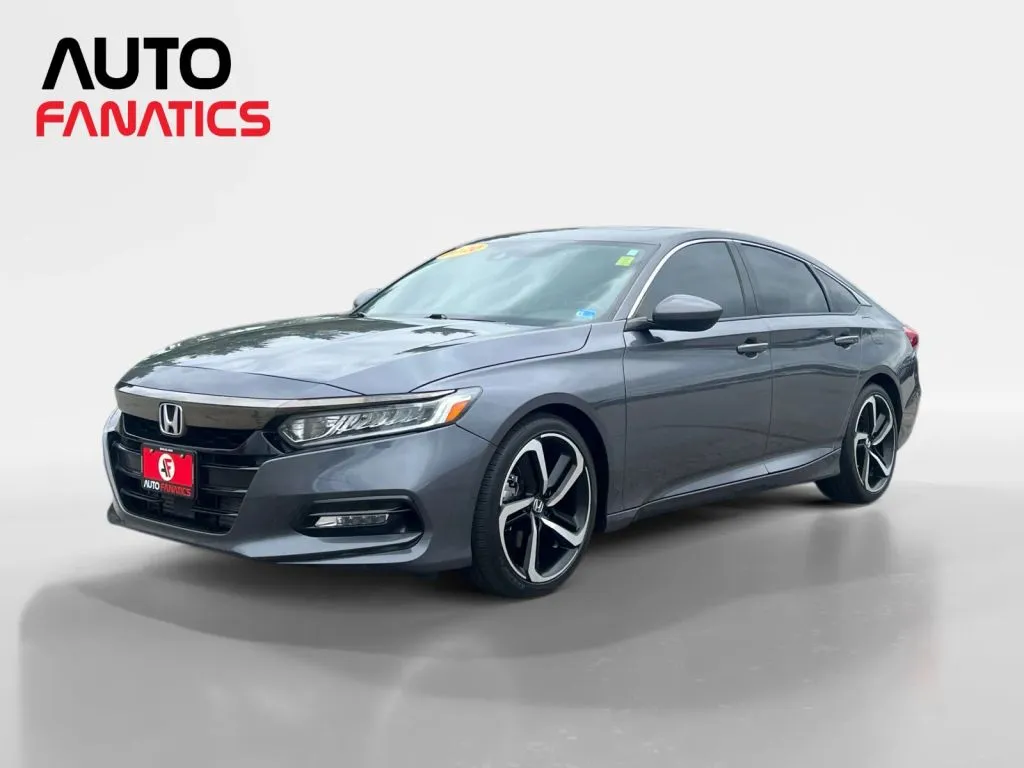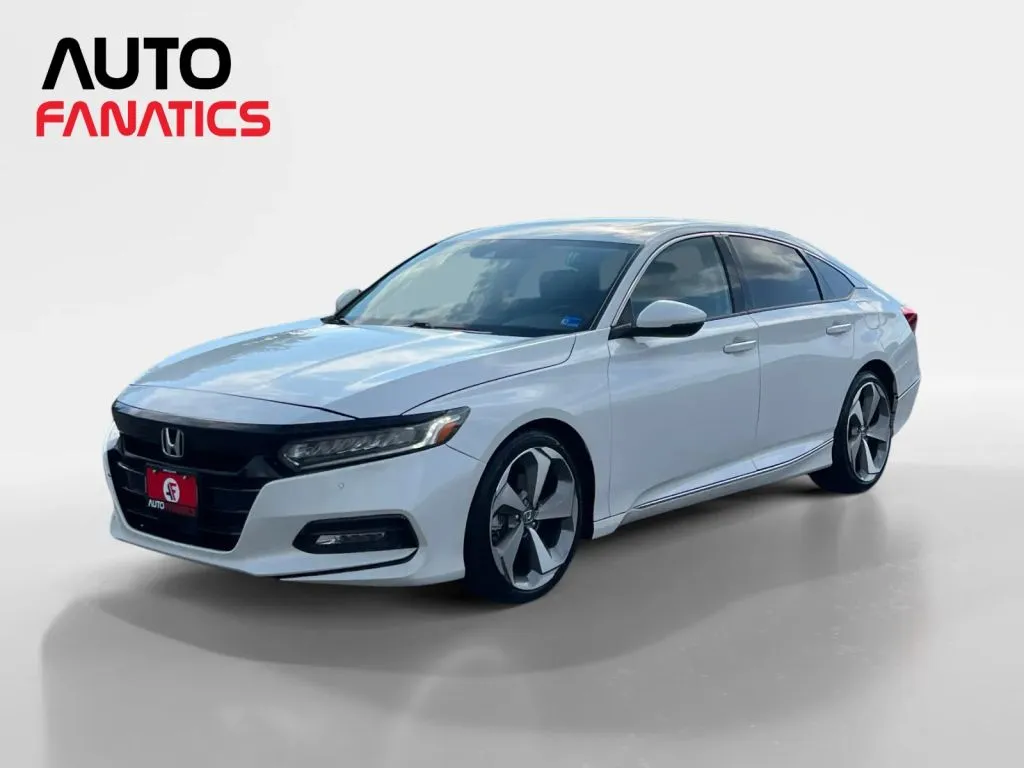
How to Find the Best Low Mileage Used Cars in VA

The search for a new-to-you car can feel overwhelming. You’re balancing budget, style, and features, and every dealership seems to have its own sales pitch. One term you’ll see everywhere is "low mileage," presented as the ultimate sign of a great deal. But a low number on the odometer doesn't automatically guarantee a perfect car. A vehicle's history and how it was maintained are just as important. This article is here to cut through the noise. We’ll break down what to look for, what questions to ask, and how to confidently find fantastic low mileage used cars VA from a dealership you can actually trust.
Key Takeaways
- Mileage Isn't the Whole Story: A low number on the odometer is a great start, but a car's true quality is revealed in its maintenance records and a professional, third-party inspection.
- Arrive Prepared for a Confident Purchase: Streamline the buying process by getting pre-qualified for a loan, researching the car's market value, and reviewing its vehicle history report before you visit the lot.
- Choose a Dealership That Values Transparency: A trustworthy dealer will always provide a clear "out-the-door" price, encourage an independent inspection, and have a strong history of positive customer reviews.
What is a Low-Mileage Used Car?
When you're shopping for a pre-owned vehicle, "low mileage" is one of those golden phrases you'll see everywhere. It sounds great, but what does it actually mean? Is there a magic number that separates a low-mileage gem from a high-mileage workhorse? The truth is, it’s not just about the number on the odometer—it’s about what that number tells you about the car’s past and its potential future.
Understanding mileage helps you gauge a car's value and predict its longevity. A car with fewer miles has generally spent less time on the road, which often translates to less wear and tear on its essential parts. But before you focus solely on finding the lowest number, it’s important to know what "low" really means in context and why it's such a critical factor in your search for the perfect used car.
Defining "Low Mileage"
So, what’s the cutoff? While there’s no official rule, a good rule of thumb is to consider the car's age. The average person drives about 12,000 to 15,000 miles per year. A three-year-old car with 30,000 miles is pretty standard, but one with under 20,000 would definitely be considered low mileage. Generally, many buyers prefer cars with less than 50,000 miles, as these vehicles often strike a great balance between price and condition.
However, a five-year-old SUV with 60,000 miles could also be a fantastic low-mileage find, since it's right on track with the yearly average. The key is to look at the mileage relative to the year. A lower-than-average number suggests the car was used sparingly, perhaps for local errands rather than long daily commutes.
Why Mileage Matters
Mileage is often seen as a quick way to estimate a vehicle's remaining lifespan. Fewer miles typically mean less stress on the engine, transmission, brakes, and suspension. Because of this, vehicles with low mileage are often seen as more reliable and less likely to need major repairs right after you buy them. This can give you incredible peace of mind and save you money down the road.
But mileage isn't the whole story. A low-mileage car that sat unused for long periods or missed regular oil changes might have more hidden problems than a well-maintained car with higher mileage. That’s why it’s so important to choose a dealership that’s transparent about its vehicles and their history. At Auto Fanatics, we believe in providing the full picture so you can feel confident in your choice, which is a core part of our commitment to our customers.
The Perks of Buying a Low-Mileage Car in Virginia
Choosing a used car is a smart way to get a great vehicle without the new-car price tag. But when you narrow your search to low-mileage options, you get even more benefits. A car with fewer miles on the odometer often means less wear and tear, a longer lifespan, and a better overall investment. For Virginia drivers navigating everything from city traffic in Fredericksburg to scenic drives through the countryside, a low-mileage car offers a unique blend of value and reliability that’s hard to beat. It’s about finding that sweet spot where you get modern features and excellent condition for a fraction of the original cost.
Drive with Confidence for Longer
One of the biggest advantages of a low-mileage car is simple: it has more life left to live. A vehicle with just 30,000 or 60,000 miles hasn't experienced the same level of stress on its engine, transmission, and suspension as a car with over 100,000 miles. This means you can expect to drive it for years to come with fewer surprises. You get the peace of mind that comes from knowing your car is ready for your daily commute, family road trips, and whatever else life throws your way. When you browse our used cars in Fredericksburg, VA, you'll find plenty of options that give you that long-term confidence.
Protect Your Investment
Your car is one of the biggest purchases you'll make, so you want it to be a sound investment. Vehicles with lower mileage hold their value significantly better over time. Because they are seen as less likely to develop mechanical problems, they remain more attractive to future buyers. When the time comes to upgrade again, you’ll get a much better return on your initial purchase. Choosing a low-mileage car is a forward-thinking move that protects your finances. You can even get an idea of what your current car is worth by using our tool to get your trade-in value and see how it can help with your next purchase.
Save on Future Repairs
Buying a used car with low mileage can lead to serious financial savings down the road. These vehicles are typically in better condition, which reduces the likelihood of immediate, costly repairs. Components like tires, brakes, and batteries often have plenty of life left, saving you from spending hundreds or even thousands of dollars right after you buy. This means your ownership costs are more predictable, and you can spend less time and money at the repair shop. It’s a practical benefit that makes budgeting for your vehicle much easier and less stressful, allowing you to simply enjoy the drive.
Keep Your Warranty (and Peace of Mind)
Many low-mileage used cars are only a few years old, which means they might still be covered under the original manufacturer's warranty. This is a huge bonus that provides an extra layer of security against unexpected repair costs. Even if the factory warranty has expired, a well-maintained, low-mileage vehicle is an excellent candidate for an extended service contract. We offer a variety of automotive protection plans that can give you coverage for critical components, ensuring you’re protected from expensive surprises. It’s the ultimate peace of mind for any car owner.
Find Your Perfect Low-Mileage Match
Once you’ve decided that a low-mileage car is the right move, the fun part begins: finding the perfect style to fit your life. The best car isn’t just about the number on the odometer; it’s about how it supports your daily commute, weekend adventures, and family needs. Whether you’re navigating rush hour in Stafford, hauling gear for a weekend trip, or running errands around Fredericksburg, there’s a low-mileage vehicle waiting for you. Think about what your day-to-day looks like and what you need your car to do. From there, you can explore our wide selection of vehicles to find the one that feels like it was made just for you.
Reliable Sedans for Your Daily Commute
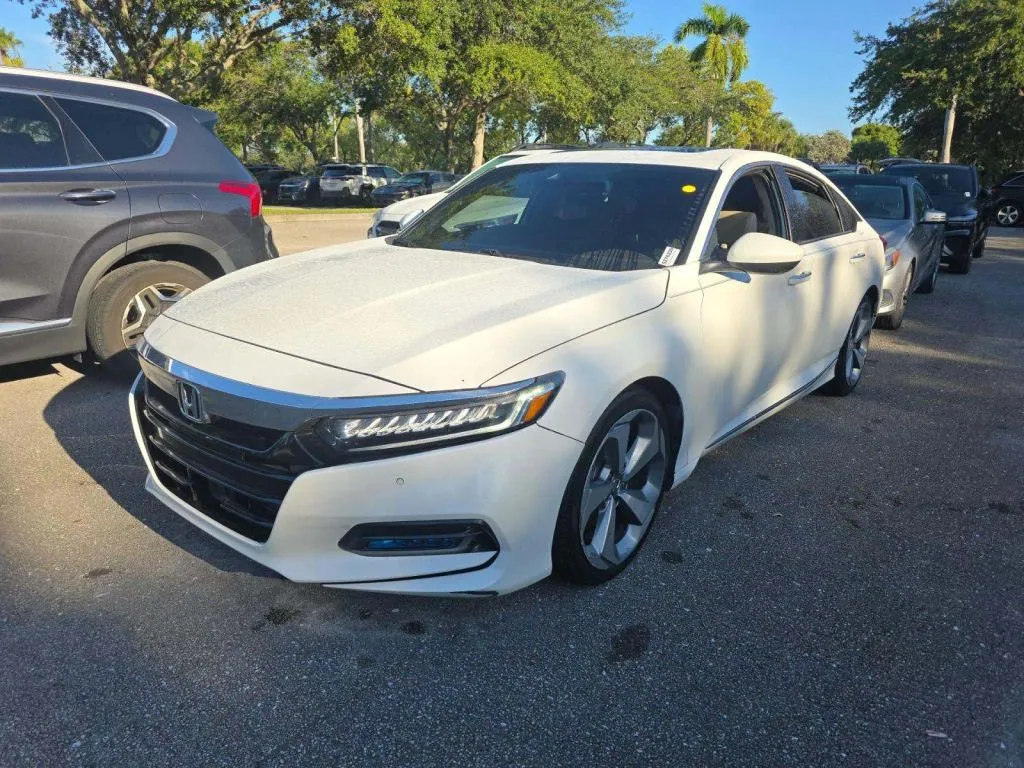
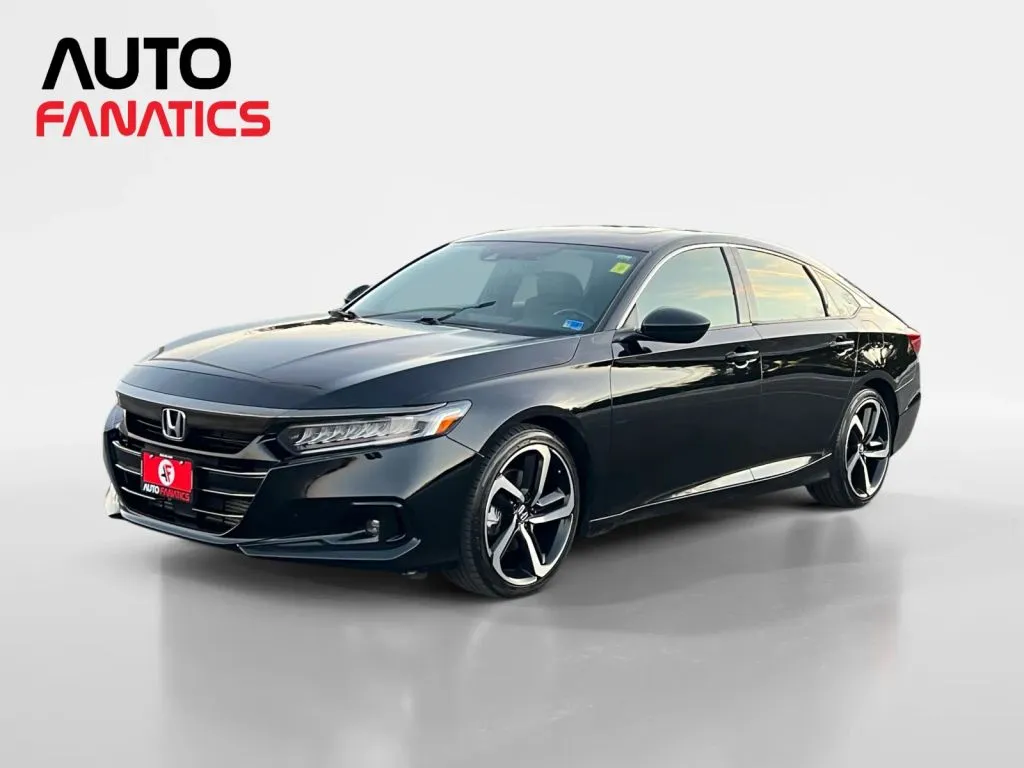
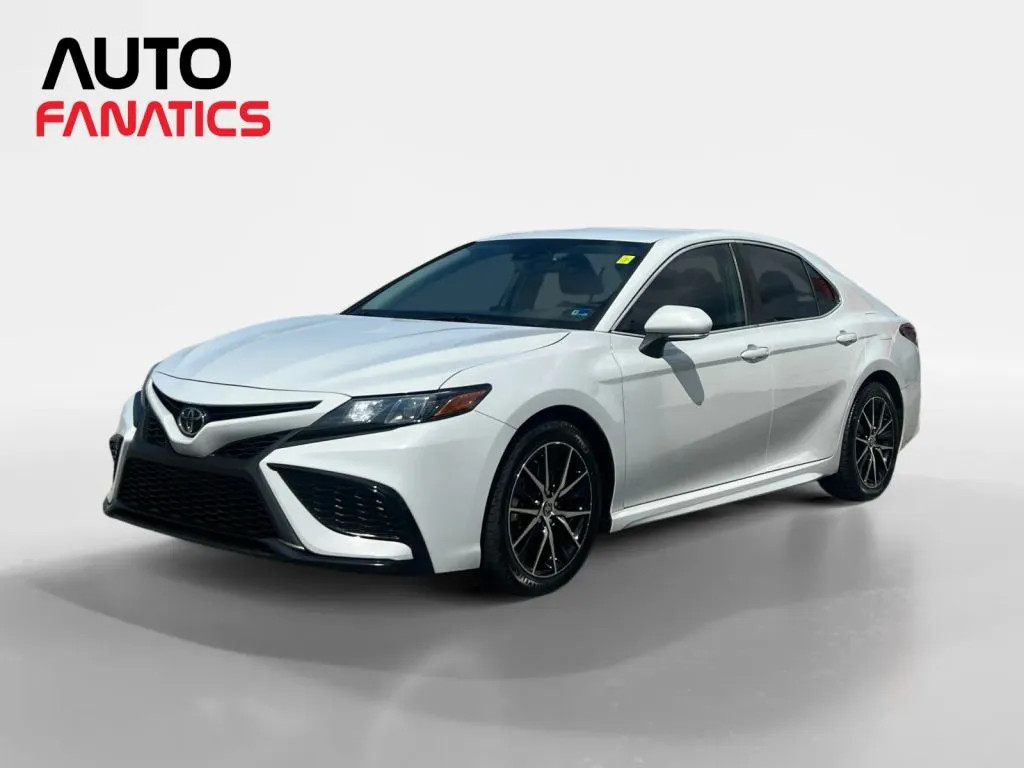
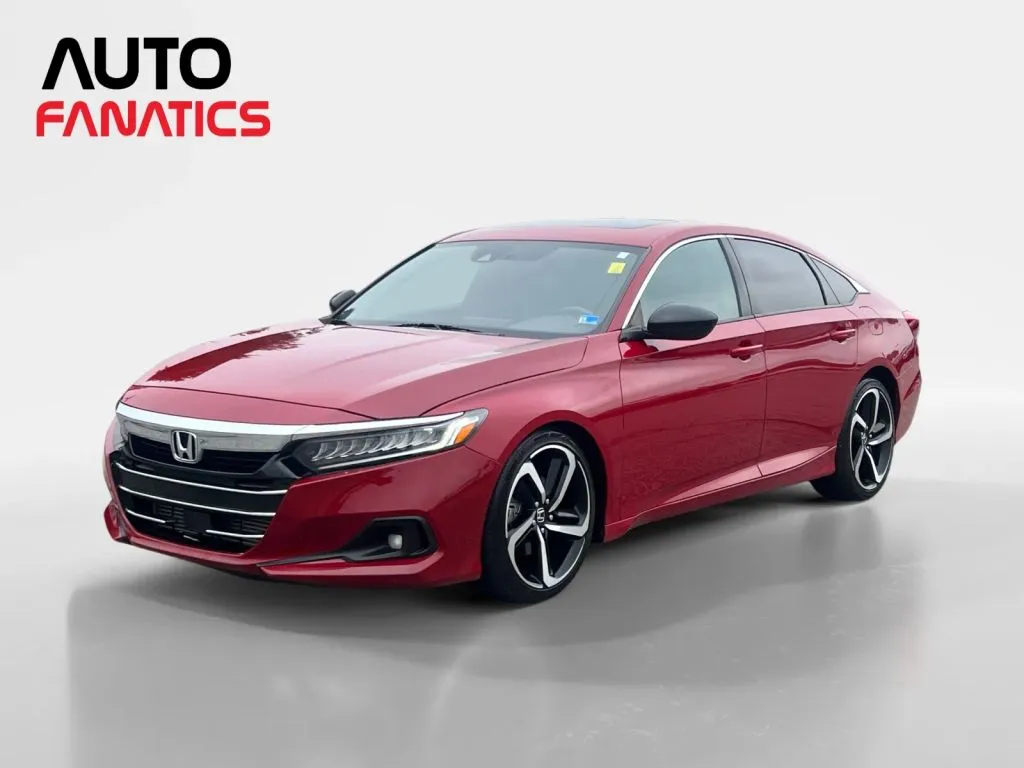
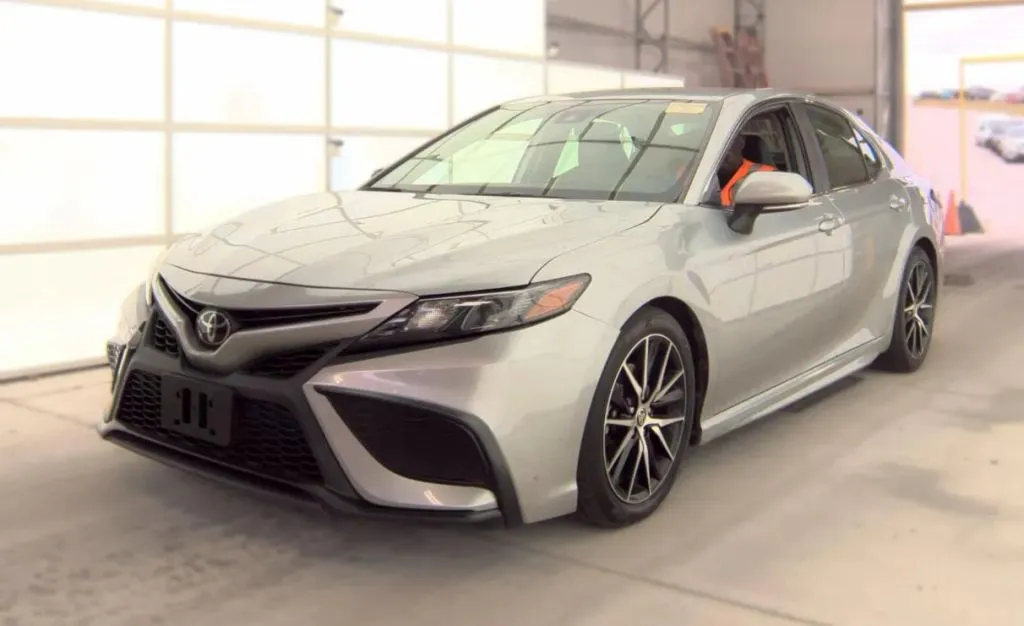
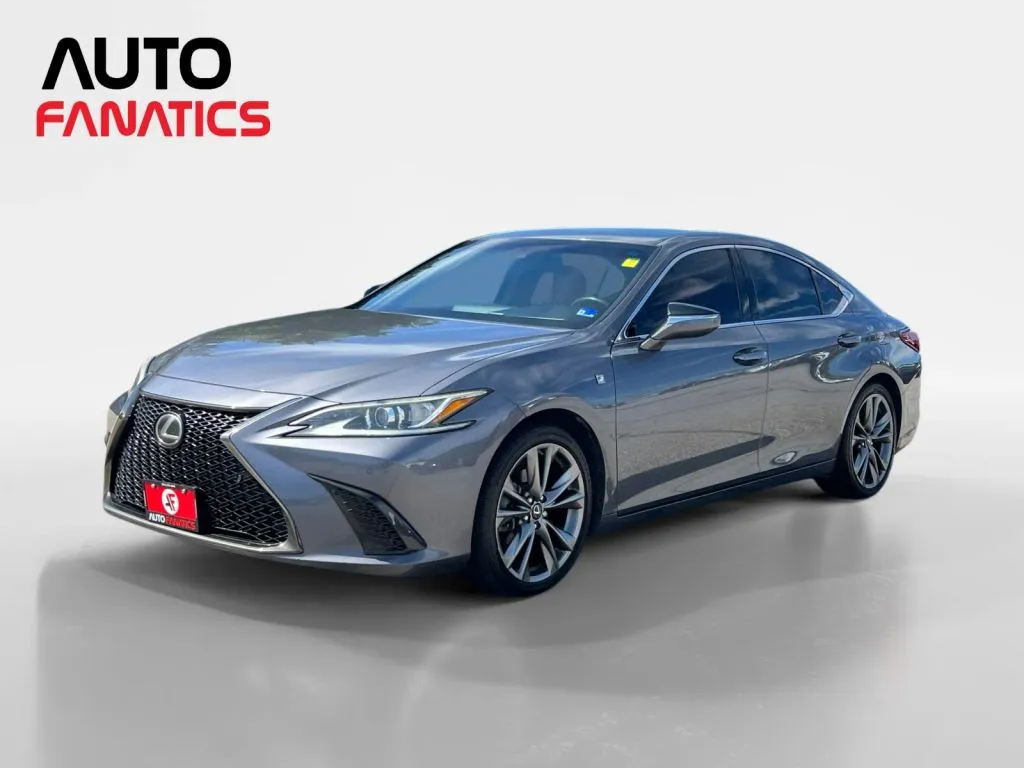
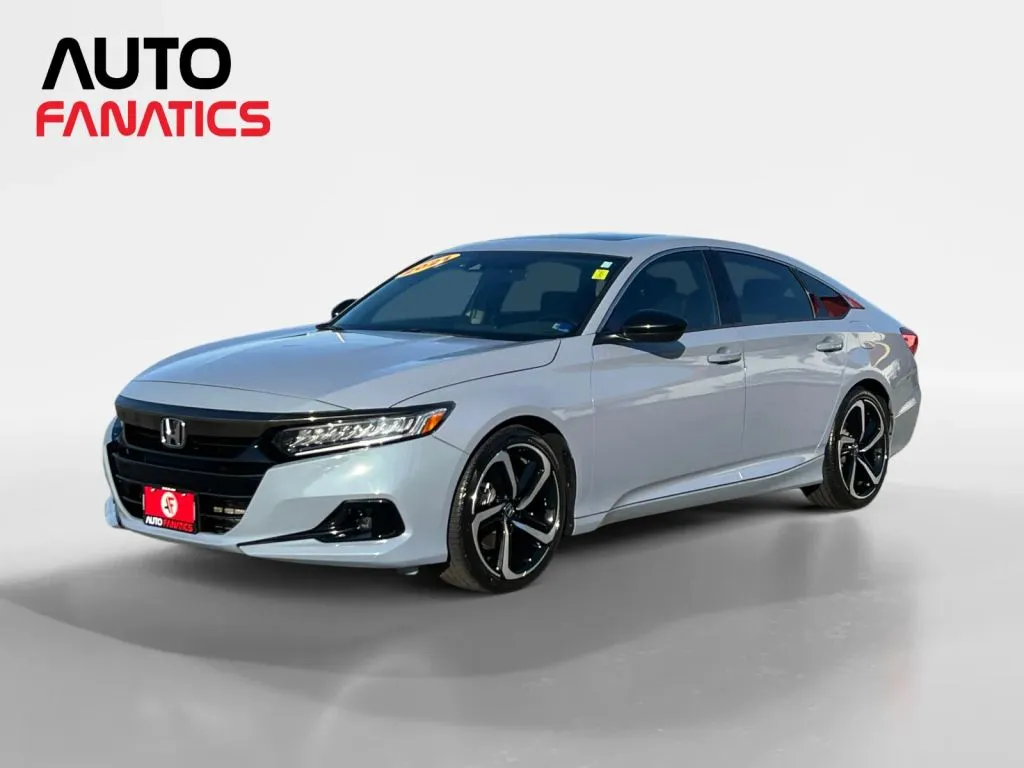
If your days are spent commuting, a reliable sedan is often the perfect partner. They offer a comfortable ride, responsive handling for city driving, and great fuel economy to help you save on gas. A low-mileage sedan with under 50,000 miles can feel almost new but comes at a much more budget-friendly price point. You get the peace of mind that comes with a gently used engine and interior without the steep depreciation of a brand-new car. Imagine cruising down I-95 in a quiet, smooth ride that you know you can depend on every single day. Our inventory of low-mileage cars includes some of the most trusted models on the road, all carefully inspected to ensure they’re ready for your daily drive.
Versatile SUVs for Family Adventures
For families on the go or anyone who needs a little extra space, a versatile SUV is a fantastic choice. Low-mileage SUVs give you the flexibility to handle carpools, grocery runs, and weekend getaways with ease. With ample cargo space, you’ll have plenty of room for sports equipment, luggage, or your furry friends. Many models also offer all-wheel drive, giving you extra confidence on the road during Virginia’s unpredictable weather. You can find a huge variety of low-mileage vehicles, so you don’t have to compromise. Whether you need a compact crossover for easy parking or a three-row SUV for a growing family, you can find a great fit in our collection of SUVs.
Powerful Trucks Ready for Any Job
Sometimes, you just need a vehicle with serious capability. Whether you’re towing a boat to Lake Anna, hauling supplies for a home improvement project, or managing a worksite, a powerful truck is essential. Buying a low-mileage truck means you get a workhorse that’s just getting started. These vehicles are built to last, and one with fewer miles has a long life of tough jobs ahead of it. We carry a wide selection of low-mileage trucks from trusted brands like Ford, Chevy, and Ram, so you can find the power and features you need. You get all the strength and durability you expect from a truck without the brand-new sticker price.
Fuel-Efficient Cars to Save at the Pump
With gas prices always on our minds, choosing a fuel-efficient car is a smart financial move. Low-mileage vehicles are typically in better mechanical condition, which often translates to better fuel efficiency and fewer surprise repair costs down the road. This category isn't just for compact cars, either—many modern sedans and even some smaller SUVs offer impressive MPG. Opting for a fuel-sipping model means you can put more money toward the things you enjoy, not just filling up your tank. It’s a practical choice that pays off every time you drive. You can use a car loan calculator to see how saving on gas contributes to a lower overall cost of ownership.
How to Find a Dealership You Can Trust
Buying a car is a big deal, and who you buy it from matters just as much as what you buy. The right dealership can make the entire process smooth, straightforward, and even enjoyable. The wrong one can leave you with headaches and buyer's remorse. A trustworthy dealer isn’t just trying to make a sale; they’re building a relationship and a reputation within the community. They operate with integrity, offer high-quality vehicles, and provide a no-pressure environment where you feel respected and heard. When you find a dealership that prioritizes your peace of mind, you can feel confident that you’re not just getting a great car, but also a reliable partner for the road ahead. So, how do you spot the good ones? It comes down to looking for a few key signs.
Start with Customer Reviews
Before you even step onto a car lot, see what other people are saying. Online reviews are your best source for honest, unfiltered feedback from real customers. Look for dealerships with a high overall rating and, just as importantly, a large number of reviews. A handful of good reviews is nice, but hundreds show a long-term commitment to customer satisfaction. Pay attention to how the dealership responds to both positive and negative feedback. At Auto Fanatics, we’re incredibly proud of the feedback from our community, with over 500 five-star customer reviews from drivers right here in Fredericksburg and beyond. Consistent praise for honesty, fairness, and a no-pressure atmosphere is exactly what you want to see.
Look for Signs of Quality
A dealership that cares about quality will show it in everything they do. When you visit, notice the condition of the lot and the vehicles themselves. Are the cars clean and well-maintained? A dealership that takes pride in its presentation likely takes pride in the quality of its vehicles, too. Reputable dealers carefully inspect every car before it’s offered for sale. This means you can browse the available inventory with confidence, knowing each vehicle has already met a high standard. A professional, friendly team that’s happy to answer your questions without being pushy is another clear sign you’re in the right place.
Demand Transparency
A trustworthy dealership is an open book, especially when it comes to pricing. You should never have to guess what a car will actually cost you. To avoid surprises, always ask for the "out-the-door" price. This is the total cost including the vehicle price, taxes, and all fees. A great dealer will provide a clear, written breakdown without any hesitation. This level of transparency should extend to financing, too. You should feel comfortable discussing your options and have access to tools like a car loan calculator to help you plan your budget. If a dealer is vague about costs or pressures you to sign without understanding every line item, it’s a major red flag.
Check Their Inspection Process
Every quality used car should go through a thorough inspection before being sold, but don't be afraid to do your own due diligence. Ask the dealership about their reconditioning and inspection process. What do they check, and what standards do their vehicles have to meet? An even better sign of a trustworthy dealer is their willingness to let you take the car to your own mechanic for an independent inspection. A dealer who is confident in their vehicles has nothing to hide and will support your desire for a second opinion. This shows they believe in the quality of their cars and want you to be 100% certain in your purchase.
Financing Your Low-Mileage Car
Figuring out the financing can feel like the most complicated part of buying a car, but it doesn’t have to be. When you work with a dealership that prioritizes transparency, the process becomes much clearer and less stressful. At Auto Fanatics, we’ve earned over 500 five-star reviews by making every step, including financing, simple and straightforward for our customers in Fredericksburg and beyond. The key is to break it down into manageable steps. By taking a little time to prepare, you can walk into the dealership feeling confident and in control. This preparation isn't just about numbers; it's about empowering yourself to make the best decision for your lifestyle and budget. When you know your options, you can focus on the fun part: finding the perfect low-mileage car. From getting pre-qualified online to understanding the value of your trade-in, there are plenty of tools available to help you make a smart financial decision. Let’s walk through how you can set yourself up for success and drive away in a low-mileage car that fits your budget perfectly.
Get Pre-Qualified Online
One of the best ways to streamline your car-buying process is to get pre-qualified before you even visit a dealership. Think of it as your financial head start. It gives you a clear understanding of your budget and what kind of loan terms you can expect, all from the comfort of your home. This step removes a lot of the guesswork and allows you to shop with confidence, knowing exactly which vehicles are within your price range. At Auto Fanatics, you can get pre-qualified with Capital One right on our website, making it easy to know where you stand before you start browsing our inventory.
Understand Your Loan Options
Once you have a budget in mind, the next step is to explore your specific loan options. Submitting a full credit application will give you a concrete offer, including interest rates and term lengths. This is essential for understanding what your monthly payments will look like and what you can truly afford. A reputable dealership will work with multiple lenders to find you competitive rates. You can get approved for financing directly through our secure online form, which helps us find the best possible loan for your unique financial situation. This puts you in the driver’s seat of the financing process.
Plan Your Budget with a Payment Calculator
A payment calculator is an incredibly useful tool for fine-tuning your budget. It allows you to experiment with different numbers to see how they impact your monthly payment. You can adjust the vehicle price, your down payment amount, the loan term, and the interest rate to find a combination that feels comfortable for your finances. Using a car loan calculator helps you visualize your future payments and ensures there are no surprises down the road. It’s a simple way to make sure your new-to-you car fits seamlessly into your life without straining your wallet.
Factor in Your Trade-In
If you have a current vehicle, trading it in can significantly lower the total cost of your low-mileage car. The value of your trade-in acts as a down payment, reducing the amount you need to finance and, in turn, lowering your monthly payments. Before you start shopping, it’s a great idea to find out what your car is worth. You can easily get your trade-in value online to get a fair and accurate estimate. Knowing this number ahead of time gives you more negotiating power and a complete picture of your overall budget.
Your Pre-Purchase Checklist
Once you’ve found a low-mileage car that feels like the one, it’s time for the final checks. This isn't about being skeptical; it's about being a smart, confident buyer. A great dealership will not only expect you to do your due diligence but will also make it easy for you by providing all the information you need. Think of this checklist as your final walkthrough to confirm you’re making a fantastic investment. It’s how you ensure the car is as good on paper as it is on the road.
At Auto Fanatics, we build our entire process around transparency because we want you to feel completely secure in your decision. It’s a key reason why over 500 drivers have left us five-star reviews. We encourage every customer to go through these steps. When you’re ready, grab a notepad and let’s make sure you’re getting a car that will serve you well for years to come. This final check is what separates a good purchase from a great one, giving you total peace of mind before you drive away.
Review the Vehicle History Report
Every used car has a story, and the vehicle history report is how you read it. This document, often from a service like CarFax, gives you a detailed look at the car's past. You’ll find crucial information like accident history, title issues (such as flood or salvage titles), previous owners, and sometimes even service records. A clean report is a great sign, but even a report with minor incidents isn't necessarily a deal-breaker if the repairs were done correctly. A trustworthy dealership will always provide this report upfront for any vehicle in their used car inventory.
Get a Professional Inspection
Even if you’re handy with cars, getting a second opinion from a neutral, third-party mechanic is one of the smartest things you can do. A professional pre-purchase inspection can uncover underlying issues that aren't visible during a test drive, like hidden rust, subtle engine problems, or upcoming maintenance needs. Think of it as a small investment to prevent potentially large expenses down the road. A dealership that stands by the quality of its vehicles will have no problem with you taking a car to your trusted mechanic for a look-over. This step is all about confirming quality and ensuring there are no surprises.
Check the Service Records
While the vehicle history report gives you the big picture, the detailed service records tell you how well the car was cared for day-to-day. You’re looking for a consistent history of routine maintenance—regular oil changes, tire rotations, and scheduled services recommended by the manufacturer. A car with a complete and consistent service history is more likely to be reliable in the long run. It shows that the previous owner was proactive about upkeep, which is exactly what you want to see. It’s also a good idea to look into automotive protection plans to continue that excellent care.
Compare Prices to Market Value
To make sure you’re getting a fair deal, take a few minutes to research the car’s current market value. Online resources can give you a good estimate based on the car’s make, model, year, mileage, and condition. This knowledge empowers you during the buying process and helps you recognize a great price when you see one. Once you have a clear idea of the market value, you can use a car loan calculator to see how that price fits into your monthly budget. An informed buyer is a confident buyer, and knowing the numbers is a huge part of that.
Common Pitfalls to Avoid
Finding a low-mileage car feels like hitting the jackpot, but it's smart to look beyond the odometer to make sure you're getting a truly great vehicle. A low number is a fantastic starting point, but it doesn't always tell the whole story. Being aware of a few common pitfalls will help you shop with confidence and drive away in a car you absolutely love. The key is to balance the mileage with the car's overall condition, history, and price to find the best value.
Don't Assume Low Mileage Means "Perfect"
A car with very few miles can seem like a sure thing, but it’s not always the case. A vehicle that sits for long periods without being driven can develop its own set of problems, like dried-out seals and gaskets or a weak battery. Sometimes, a car has low mileage because it was only used for short, stop-and-go trips, which can be harder on an engine than smooth highway driving. That’s why a comprehensive vehicle history report and a thorough inspection are so important. At Auto Fanatics, we carefully inspect every vehicle in our inventory to ensure it meets our high standards, so you can be sure you're getting quality, not just a low number on the dash.
Don't Overpay for Miles Alone
While low mileage often increases a car's value, it shouldn't be the only factor driving the price. A well-maintained car with 60,000 highway miles could be in much better mechanical shape than a neglected vehicle with only 30,000 city miles. Consider the big picture: the car's age, maintenance history, and overall condition are just as crucial. Don't let a low odometer reading convince you to overpay. Instead, focus on the total value the car offers. You can use a car loan calculator to see how different price points affect your monthly payment, helping you find a car that fits your budget and your needs perfectly.
Know the Difference Between Wear and Neglect
Every used car will have some signs of use—that’s normal. A few minor scuffs on the bumper or slight wear on the driver’s seat are signs of a car that’s been lived in, not necessarily one that’s been mistreated. What you want to watch out for are signs of actual neglect. This includes things like significant rust, deep stains on the upholstery, mismatched paint, or a lack of service records. A well-cared-for car shows pride of ownership. This is why working with a transparent dealership is so important. With over 500 five-star customer reviews, we’ve built our reputation on honesty and quality, ensuring you know the exact condition of the car you’re buying.
How to Secure a Great Deal
Finding a low-mileage car you love is exciting, but talking about the price can feel intimidating. The good news is that securing a great deal is entirely within your reach. It’s not about aggressive haggling; it’s about being prepared, knowing what to look for, and working with a dealership that values transparency. When you walk in with a clear understanding of the car’s value and your budget, you can focus on finding the right fit instead of worrying about the negotiation. A great deal means getting a reliable car at a fair price, without any last-minute surprises. By following a few straightforward steps, you can drive away confident that you made a smart financial decision.
Do Your Homework on Pricing
Before you even step onto a car lot, your most powerful tool is information. When you’re ready to discuss the price of a used car, it’s essential to arm yourself with solid data. Knowing the current market value for the specific make, model, and year you’re interested in gives you a realistic baseline. Use online resources like Kelley Blue Book (KBB) or Edmunds to find the average price range for cars with similar mileage and features. This research shows you what a fair price looks like and gives you the confidence to have an informed conversation. You can start by browsing our online inventory to see how our pricing compares to the market value.
Compare Your Options
The best way to feel certain about your purchase is to see what’s out there. Don’t feel pressured to commit to the first car you test drive. Take the time to look at similar vehicles to understand what different dealerships are offering. Comparing your options isn’t just about finding the lowest sticker price. You should also consider the vehicle’s condition, its history report, and the dealership’s reputation. A slightly lower price from a less reputable seller might not be a good deal in the long run. That’s why checking customer reviews is so important—with over 500 five-star reviews, we’re proud to show our commitment to quality and customer satisfaction.
Always Ask for the "Out-the-Door" Price
To avoid surprises when it’s time to sign the paperwork, always ask for the "out-the-door" price. This is the single most important number to focus on because it represents the total cost you’ll actually pay. This figure includes the vehicle’s price, sales tax, title and registration fees, and any other applicable dealership charges. A low advertised price can be misleading if it’s followed by a long list of additional fees. A transparent dealership will be happy to provide you with a clear, itemized breakdown of the final cost. Once you have that number, you can use a car loan calculator to see exactly how it fits into your monthly budget.
Find Your Next Car in Fredericksburg
Once you know what to look for, the search for your next low-mileage car becomes much simpler. Instead of casting a wide net across the state, you can find incredible value and a stress-free experience right here in the Fredericksburg area. The key is knowing where to look and how to make the process work for you, from the initial search to the final test drive. At Auto Fanatics, we’re committed to making your car-buying journey as smooth and transparent as possible, because finding a great car shouldn’t feel like a chore.
Why Shop Local in Northern Virginia?
Shopping for a car locally means more than just convenience; it’s about building a relationship with a dealership that understands the needs of drivers in our community. When you work with a local team, you get personalized service from people who are your neighbors. We know that a low-mileage car is a smart investment, offering reliability and a longer lifespan with fewer repairs. Instead of spending your weekend driving to far-flung lots, you can find a fantastic selection of cars, trucks, and SUVs just around the corner. Plus, you can feel confident knowing you’re working with a dealership that has earned the trust of the community, backed by more than 500 five-star reviews.
Browse Our Inventory from Home
The car search starts long before you ever step onto the lot. We make it easy to find your perfect match from the comfort of your home. You can explore our entire selection of meticulously inspected vehicles online, filtering by make, model, mileage, and price. Compare that family-friendly SUV with a fuel-efficient sedan without any pressure. Once you’ve narrowed down your choices, you can even get a head start on the paperwork. By filling out our secure online financing application, you can get pre-qualified and save valuable time at the dealership, making the final steps of your purchase quick and seamless.
Schedule Your Test Drive
After you’ve found a few low-mileage options that catch your eye, it’s time for the best part: the test drive. This is your chance to get behind the wheel and see how the car truly feels on the road. Does it handle well? Is the driver’s seat comfortable? Do all the features work as they should? A test drive answers all these questions and helps you make your final decision with confidence. Simply contact us to schedule a time that works for you. Our team is here to answer any questions you have and provide a no-pressure environment, ensuring you feel completely comfortable and supported.
Related Articles
Frequently Asked Questions
Is there a specific mileage number I should look for? While there isn't one magic number, a great starting point is to multiply the car's age by 12,000. If the odometer reading is significantly lower than that total, you've likely found a low-mileage vehicle. For example, a four-year-old car with less than 48,000 miles is a solid find. It's less about a single cutoff and more about how the mileage compares to the car's age.
Is a car with higher mileage automatically a bad choice? Not at all. A well-maintained car with 80,000 highway miles can often be in better mechanical shape than a neglected car with only 40,000 city miles. Consistent service records and a clean vehicle history report are just as important as the number on the odometer. Think of mileage as just one part of the car's overall story.
Will I have to pay a lot more for a low-mileage car? You can expect to pay a bit more for a car with fewer miles, but it's helpful to think of it as an investment. That slightly higher price often buys you a longer vehicle lifespan, better resale value down the road, and a lower chance of facing immediate, expensive repairs. It's about balancing the upfront cost with the long-term savings and peace of mind.
What kind of warranty can I expect with a low-mileage used car? Many low-mileage cars are only a few years old, so they may still be covered by the original manufacturer's warranty, which is a huge perk. If the factory warranty has expired, the car's excellent condition makes it a prime candidate for an automotive protection plan. These plans can cover major components and protect you from unexpected repair bills.
What's more important, a car's age or its mileage? It’s a balance of both. A newer car with high mileage might have modern features but a lot of wear on its parts from constant use. An older car with very low mileage might have less wear, but its rubber components like seals and hoses could be aging. The ideal car is one where both the age and mileage are reasonably low, and it's backed by a strong maintenance history.