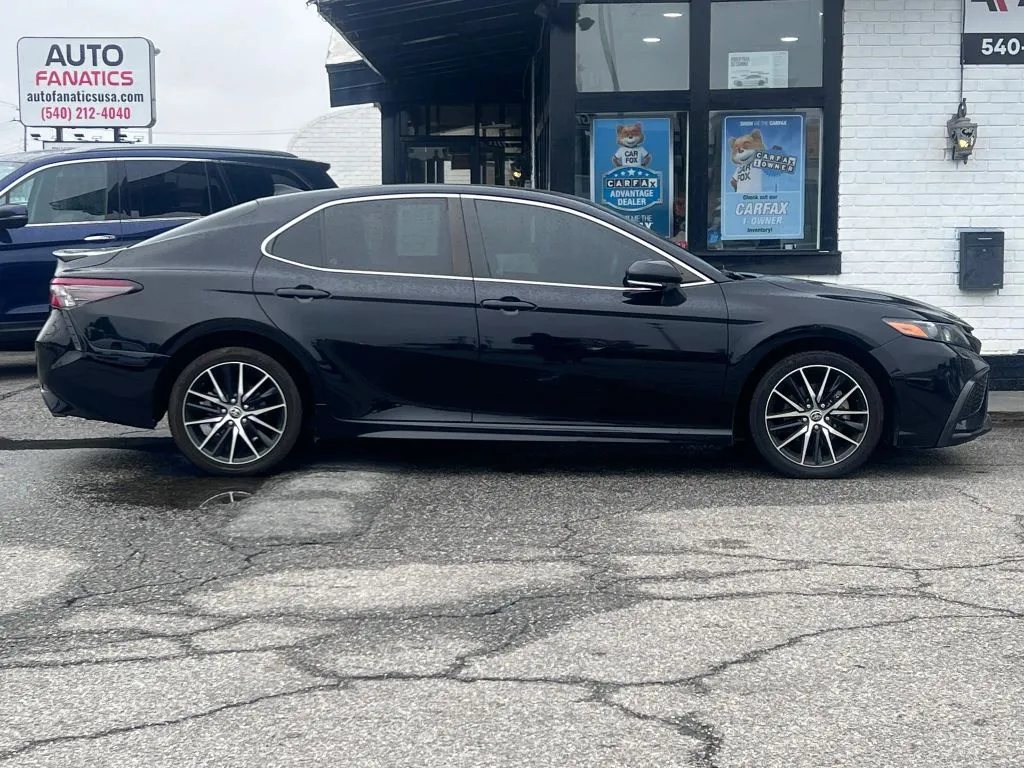
Trade-In Value Calculator Virginia: Get Your Best Offer
National websites can give you a ballpark figure for your car's value, but the Fredericksburg market is unique. What sells well in California might not be in high demand here. That's why using a trade-in value calculator Virginia dealerships provide is so important—it gives you an estimate based on local trends. At Auto Fanatics, we understand the Northern Virginia market because we're part of it. Our tool gives you a realistic starting point grounded in what local buyers are actually looking for. This guide will show you how to get a fair, local appraisal and why our transparent approach has earned us over 500 five-star reviews.
Key Takeaways
- Know Your Number Before You Go: Use an online trade-in calculator to get a realistic, data-backed estimate of your car's value. This prepares you for a confident and transparent conversation when you visit the dealership.
- Condition and Records Make a Difference: The final offer is heavily influenced by your car's physical condition, maintenance history, and local market demand. A well-cared-for vehicle with service records will always be worth more.
- Use Virginia's Tax Credit to Your Advantage: Trading in your car saves you a significant amount on sales tax, as you only pay tax on the price difference. This financial benefit can make trading in a smarter move than selling privately.
What is a Trade-In Value Calculator?
Think of a trade-in value calculator as your starting point for figuring out what your current car is worth. It’s a straightforward online tool that gives you a solid estimate of your vehicle's value before you even step foot in a dealership. This isn't just about satisfying curiosity; it's about arming yourself with knowledge. When you know what your car is worth, you can walk into a negotiation feeling confident and prepared, turning a potentially stressful process into a simple conversation. Instead of guessing, you have a data-backed number to work with.
These calculators are designed for accuracy. According to CARFAX, they help you find out what your used car is worth by using its unique history—things like accidents, service records, and the number of previous owners—to give you a very precise value. It’s the easiest way to get a baseline understanding of your car’s market price from the comfort of your home. The process is simple: you enter some basic information about your car, and within minutes, you have a real-world estimate. You can get a real, no-obligation offer in minutes using our simple trade-in value tool to see exactly where you stand.
How Trade-In Estimates Work
When you bring your car to a dealership for an appraisal, they don't just pick a number out of thin air. A lot goes into determining your vehicle's trade-in value. As one dealership explains, professionals "look at many things to decide how much your car is worth." This includes a thorough inspection of your car's overall condition, its current mileage, and the real-time market demand for that specific make and model. A well-maintained, low-mileage truck will naturally fetch a higher price than one that's seen better days. They also consult standardized industry guides to ensure the estimate is grounded in industry-wide data.
How Calculators Determine Your Car's Value
Online calculators work much like the pros do. They use powerful algorithms that analyze massive amounts of data to give you an accurate, real-time estimate. As CarGurus explains, these tools use "up-to-date information and market analysis to give accurate values for current market conditions." This means the value you see reflects what similar cars are actually selling for right now in your area. Many dealerships rely on trusted online resources like Kelley Blue Book (KBB) and NADA Guides to help assess vehicle values, so using a calculator puts the same kind of powerful information right at your fingertips.
Common Myths About Calculator Accuracy
One of the biggest myths is that every dealership will offer you the same amount for your trade-in. The truth is, appraisal values can vary quite a bit from one dealer to another—sometimes by thousands of dollars. This is why getting an online estimate first is so important; it gives you a reliable benchmark. Another thing many Virginia drivers don't realize is the huge tax benefit of trading in. In Virginia, you only pay sales tax on the difference between the price of your next car and the value of your trade-in. This tax credit can save you hundreds, or even thousands, of dollars on your purchase.
What Affects Your Car's Trade-In Value in Virginia?
When you decide to trade in your car, the offer you receive is based on more than just a quick look-over. Dealerships consider a combination of factors to determine what your vehicle is worth to them and their future customers. Understanding these key elements helps you see your car from a buyer's perspective and set realistic expectations. At Auto Fanatics, we believe in transparency, which is why we want to walk you through exactly what goes into calculating your car's trade-in value right here in Virginia. It’s this straightforward approach that has earned us over 500 five-star customer reviews.
Your Car's Condition and Maintenance Record
First impressions matter, and your car’s overall condition is the most significant factor in its trade-in value. This includes everything from the exterior paint and body to the cleanliness of the interior. Dents, scratches, upholstery stains, or lingering odors can lower the offer. Beyond cosmetics, the mechanical condition is critical. A well-maintained engine, smooth transmission, and solid brakes signal a reliable vehicle. This is where your maintenance records become your best friend. Having proof of regular oil changes, tire rotations, and other services shows you’ve taken great care of your car, which can directly increase its value. A dealership sees a well-documented service history as a sign of a dependable car they can confidently sell.
Mileage, Age, and Current Market Trends
The numbers on your car’s odometer and title play a huge role. Generally, a car with lower mileage will command a higher price because it suggests less wear and tear on its components. Similarly, newer cars are typically worth more than older ones, as they often have more modern features and a longer expected lifespan. But it’s not just about your car—it’s also about the market. Current trends have a major impact. For example, when gas prices are high, fuel-efficient sedans might be in greater demand. In our area, versatile SUVs and powerful trucks are often popular year-round, which can influence their trade-in value based on local demand.
Accident History and Title Status
A vehicle’s history is an open book to a dealership. A clean vehicle history report is a huge asset. If your car has been in an accident, its value will likely decrease, even if the repairs were done perfectly. The severity of the damage and the quality of the repair work are both taken into account. The title status is just as important. A "clean" title means the car has never been declared a total loss. A "salvage" or "rebuilt" title, however, tells a different story and will significantly reduce the trade-in offer, as these vehicles can be difficult for a dealership to resell. Transparency about your car’s past is always the best policy when you’re looking to get a trade-in value.
The Local Virginia Market Factor
Where you trade your car in matters. A vehicle’s value isn’t universal; it’s tied to the local market. Here in Fredericksburg and the surrounding Northern Virginia communities, certain types of vehicles are more sought-after. A dealership like Auto Fanatics knows what local buyers are looking for, whether it’s a family-friendly minivan or a work-ready pickup truck. Our offers are based on our current inventory needs and what we know sells well in this area. Virginia also uses official guides, like the J.D. Power Official Used Car Guide, to establish a baseline value for tax purposes, which can also inform a dealership’s appraisal process. This local focus ensures you get a fair offer based on real-time, relevant market conditions.
How to Use a Trade-In Value Calculator
Using an online trade-in calculator is a great first step toward understanding your car's worth. It gives you a solid baseline and helps you feel prepared when you visit a dealership. Doing this homework ahead of time makes the process smoother and more transparent. Here’s how to get the most accurate estimate.
Gather the Right Vehicle Information
To get a precise estimate, you’ll need key details about your vehicle. Have the year, make, model, trim, and current mileage ready. The most important piece of information is the Vehicle Identification Number (VIN), found on your dashboard or insurance card. The VIN contains your car’s specific history, helping the calculator provide a more accurate value. Having these details ready ensures the number you get is a realistic starting point for your trade-in appraisal.
Prep Your Car for a Fair Assessment
While an online tool can't see your car, its physical condition is key to the final offer. A clean car gives the impression it’s been well-cared for, which can make a real difference during the in-person appraisal. Take a moment to clear out personal items, vacuum the interior, and give it a wash. It’s also smart to gather your service records to show a history of regular maintenance. Presenting your car in its best light helps you get the best possible offer.
Why You Should Use More Than One Calculator
Trade-in estimates can vary from one tool to another, so it’s smart to get a few quotes to establish a realistic value range. We encourage you to see what other calculators say, then bring those estimates to us. At Auto Fanatics, we’re committed to a transparent process and will explain how we arrived at our number. Our goal is to give you a competitive, fair-market offer you can feel confident about—a key reason we have over 500 five-star reviews from happy customers.
Mistakes to Avoid When Getting Your Estimate
Honesty is the best policy when using a trade-in calculator. It’s tempting to list your car in "excellent" condition when it’s closer to "good," but this only creates a misleading estimate. Be truthful about the mileage, accident history, and any mechanical issues, as an appraiser will thoroughly inspect your vehicle. Providing accurate information from the start ensures the online estimate you receive is a reliable tool for planning your next vehicle purchase.
The Best Trade-In Value Calculators for Virginia Drivers
Before you start shopping for your next vehicle, you need a solid idea of what your current car is worth. Using an online trade-in value calculator is the perfect first step to understanding your car’s market value and setting yourself up for a fair deal. These digital tools use key details about your vehicle—like its make, model, year, and condition—to generate an instant estimate. This gives you valuable knowledge and confidence before you even visit a dealership. Let’s walk through some of the best and most reliable calculators available to you as a Virginia driver.
Start with the Auto Fanatics Trade-In Tool
When you're trading in a car in the Fredericksburg area, starting with a local expert just makes sense. Our team at Auto Fanatics lives and works right here in Virginia, so we have a real-time pulse on which vehicles are in high demand locally. You can get your trade-in value in minutes using our simple online tool. It provides a fast, transparent estimate based on current market data. Because we're committed to a no-pressure experience—a promise backed by over 500 five-star reviews from your neighbors—you can trust our estimate is a realistic and fair starting point for a conversation about your car.
Other Popular Online Calculators
To get a well-rounded view of your car's worth, it's smart to consult a few different sources. National platforms like Kelley Blue Book (KBB) and Edmunds are popular for a reason—they aggregate massive amounts of sales data from across the country. Using these calculators can give you a broader market perspective and a helpful range of values to consider. Just remember that their estimates are based on nationwide trends, which may not perfectly reflect the specific demand right here in Virginia. Think of these as excellent reference points to have when you're ready for a local appraisal.
Why Do Trade-In Offers Differ?
You’ll likely notice that different calculators and dealerships give you slightly different numbers for your trade-in. This is completely normal. An online calculator provides an estimate, but the final, firm offer depends on an in-person inspection where a professional can assess your car's unique condition, from the tread on the tires to the purr of the engine. A dealership's offer is also influenced by its current inventory. If they’ve just sold three SUVs just like yours, they might offer you a premium to restock their lot. This is why the best approach is to use online tools for a baseline, then visit our team to get a firm offer based on your vehicle and our real-time needs.
The Virginia Tax Advantage: How Trading In Saves You Money
Beyond the convenience of handing over your old keys and driving away in a new-to-you vehicle, trading in your car in Virginia comes with a significant financial perk: a sales tax credit. This isn't just a small discount; it's a strategic way to lower the overall cost of your next car purchase. Many people focus only on the trade-in value itself, but understanding this tax advantage shows you the full picture of your savings. It’s one of the smartest reasons to trade your vehicle in at a dealership rather than selling it privately.
How Virginia's Sales Tax Credit Works
Here’s the simple but powerful rule: In Virginia, you only pay sales tax on the difference between the price of the car you’re buying and the value of your trade-in. For example, if you find an SUV you love for $30,000 and your trade-in is valued at $10,000, you don’t pay tax on the full $30,000. Instead, you only pay sales tax on the remaining $20,000. This directly reduces the taxable amount of your purchase, leading to real, immediate savings that you’ll see on your final bill of sale. It’s a straightforward way the state rewards you for trading in your vehicle.
Trade-In vs. Private Sale: A Financial Breakdown
When deciding between a trade-in and a private sale, the tax credit is a major factor. You might think you can get a higher price by selling your car yourself, and sometimes you can. However, you have to weigh that against the guaranteed tax savings and convenience of a trade-in. When you sell privately, you get cash in hand, but you’ll have to pay sales tax on the full price of your next vehicle. That tax savings from a trade-in can often close the price gap, without any of the hassle of listing your car, meeting strangers, and handling paperwork. You can sell us your car directly to see how simple the process can be.
Calculate Your Total Savings
Let's put some real numbers to this. Imagine you’re buying a $30,000 truck and you trade in your old car for $10,000. The taxable amount is now $20,000. Virginia’s vehicle sales tax is 4.15%. On the full $30,000, the tax would be $1,245. But by trading in your car, you only pay tax on $20,000, which comes out to $830. That’s an instant savings of $415 right there. The higher your trade-in value, the more you save. You can use a car loan calculator to see how these savings impact your potential monthly payments and the total cost of your new vehicle.
How to Get the Most for Your Trade-In
Trading in your car should feel like a win, not a mystery. It’s a major part of your new car purchase, and getting a great offer can significantly lower your monthly payments and overall cost. The key is to walk into the dealership feeling prepared and confident. With a little bit of homework, you can understand what your car is truly worth and know how to advocate for a fair price. Think of it as setting yourself up for success. By understanding the factors that influence your car's value and knowing how the process works, you can take control of the negotiation and ensure you get the best possible deal for your vehicle.
Get Multiple Appraisals
One of the biggest mistakes you can make is taking the very first offer you receive. Did you know that appraisal values for the same car can vary by thousands of dollars between different dealerships? That’s why it’s so important to get a few different opinions. Start by using an online tool to get a baseline estimate. We have a simple trade-in value tool on our site that can give you an instant appraisal. From there, consider visiting a couple of trusted dealerships for an in-person assessment. This gives you a realistic range to work with and provides leverage when you’re ready to make a deal.
When Is the Best Time to Trade In Your Car?
Timing can play a surprisingly big role in your trade-in value. Dealerships often have sales quotas to meet, so bringing your car in toward the end of the month can sometimes work in your favor. Seasonality also matters. If you’re trading in a convertible, you’ll likely get a better offer in the spring when demand is high. Similarly, SUVs and trucks are often in greater demand during the fall and winter months. While you can’t always wait for the perfect moment, keeping these factors in mind can help you plan your trade-in for a time when you’re likely to get a more competitive offer.
Tips for a Confident Negotiation
Confidence during negotiation comes from preparation. Before you head to the dealership, gather all your service records to show how well you’ve maintained your vehicle. Be ready to talk about your car’s condition honestly. Your idea of "excellent condition" might be different from a dealer's, so being able to point to recent maintenance or new tires can back up your asking price. A clean car with a clean history report always makes the best impression. At Auto Fanatics, we pride ourselves on transparency, and our team is always ready to have an open conversation about your car's value. Our 500+ five-star reviews reflect our commitment to a fair and respectful process.
Common Negotiation Mistakes to Avoid
It’s easy to get tripped up during the negotiation process if you’re not careful. One common tactic is for a dealership to bundle the trade-in value with the price of the new car, which can confuse the numbers. Always negotiate these two things separately. First, agree on a firm price for your trade-in. Then, discuss the price of the car you want to buy. This prevents the numbers from being manipulated to make the deal seem better than it is. Getting pre-qualified for financing beforehand can also put you in a stronger position, as it separates the financing conversation from the vehicle price negotiation.
Related Articles
- What Is My Car Worth? How to Get the Best Price
- Trade-in your car | Auto Fanatics Fredericksburg, VA
- Car Payment Estimate Calculator: A Complete Guide
- How to Shop for a Used SUV: A Pro's Guide
Frequently Asked Questions
Is the value I get from an online calculator the final offer I'll receive? Think of the online estimate as a very strong starting point, not a final, guaranteed number. The calculator gives you an excellent idea of your car's market value based on data. The firm offer comes after a professional appraiser physically inspects your vehicle. They'll check its mechanical condition, look for wear and tear, and confirm the details you entered online to give you a precise, on-the-spot value.
What happens if I still owe money on the car I want to trade in? This is a very common situation, and dealerships handle it all the time. If your trade-in is worth more than your remaining loan balance, the extra amount is applied as a down payment toward your next car. If you owe more than the car is worth, the difference can often be rolled into the financing for your new vehicle. We can walk you through the numbers clearly so you understand exactly how it works.
Should I spend money fixing dents and scratches before I bring my car in? While a clean car always makes a better impression, you generally don't need to invest in major cosmetic repairs. A thorough cleaning inside and out can go a long way. Dealerships have cost-effective ways to handle minor reconditioning, so you likely won't get a dollar-for-dollar return on expensive fixes. Focus on presenting a well-maintained vehicle, and let the professionals assess its current condition.
Why is a dealership's trade-in offer sometimes less than what I could sell it for privately? When you trade in your car, you're paying for convenience, security, and a significant tax benefit. Selling privately can sometimes yield a higher price, but it comes with the hassle of listing the car, meeting with strangers, and handling all the paperwork yourself. More importantly, Virginia's tax credit on trade-ins often closes that price gap, saving you hundreds or even thousands of dollars on the spot.
Can I just sell my car to you without buying one of yours? Absolutely. If you're simply looking to sell your car without the pressure of buying another one, we can help. The process is similar to a trade-in appraisal. We'll inspect your vehicle and make you a competitive, no-obligation offer based on its current market value. It’s a safe and straightforward way to sell your car.